
Rust can make your stainless steel sink look bad. It is not difficult to remove. You just need the right tools and methods. Follow these steps to make your sink shine again.
Why Does Rust Appear on Stainless Steel?
Stainless steel is resistant to rust. It has a layer that protects it. But, sometimes this layer breaks down. This can happen if the sink is scratched. Also, if it stays wet for too long. When this happens, rust can form.
Tools You Will Need
Before you start, gather these tools:
- Baking soda
- White vinegar
- Lemon juice
- Non-abrasive scrub pad
- Soft cloth
- Water
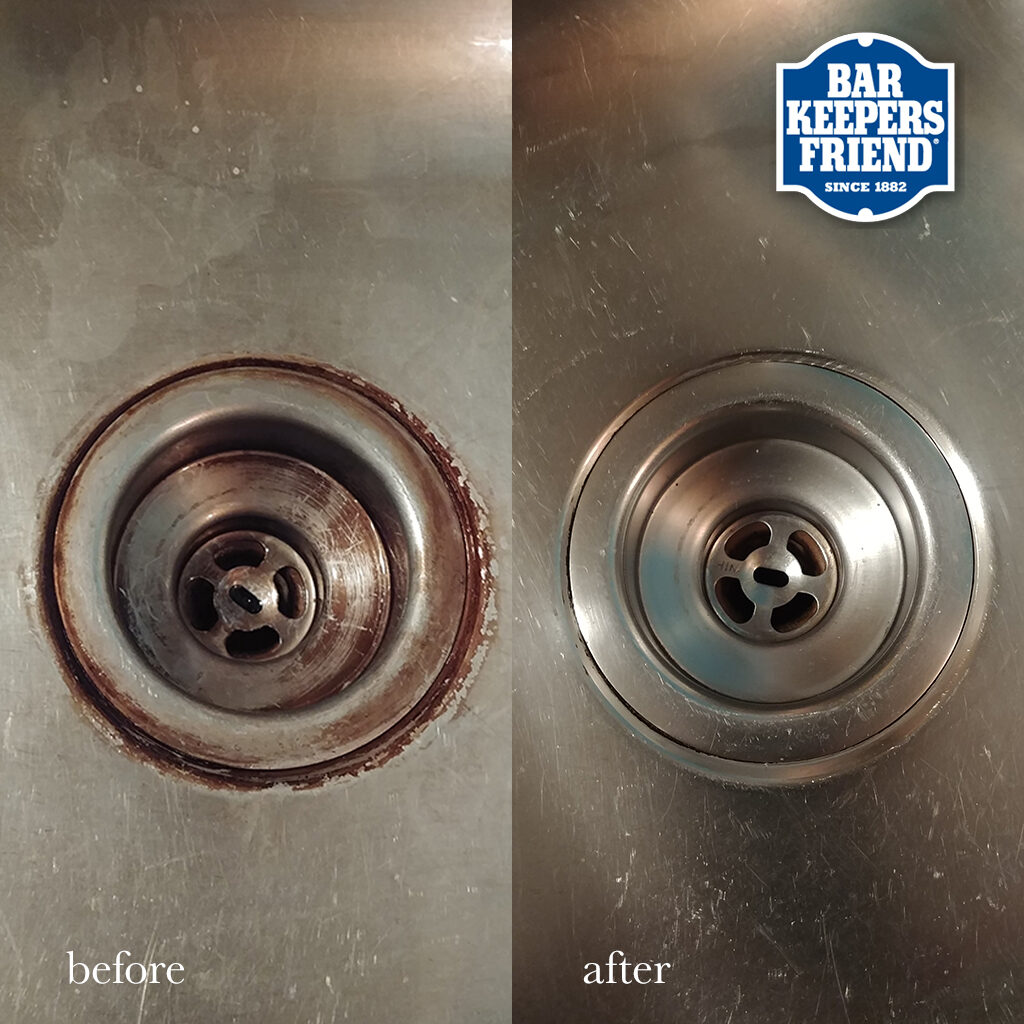
Credit: barkeepersfriend.com

Credit: www.instagram.com
Step-by-Step Guide to Remove Rust
Step 1: Clean The Sink
First, clean the sink. Use water and a soft cloth. Remove any food or dirt. This will help you see the rust better.
Step 2: Make A Baking Soda Paste
Mix baking soda with water. Make a thick paste. It should be like toothpaste. This paste will help remove the rust.
Step 3: Apply The Paste To The Rust
Put the paste on the rust spots. Use a soft cloth or your fingers. Cover the rust completely. Let the paste sit for 15 minutes.
Step 4: Scrub The Rust
Use a non-abrasive scrub pad. Gently scrub the rust spots. Move the pad in circles. Be careful not to scratch the sink.
Step 5: Rinse The Sink
Rinse the sink with water. Remove all the baking soda paste. Check if the rust is gone. If not, repeat steps 2 to 4.
Alternative Methods to Remove Rust
If baking soda does not work, try these methods:
Method 1: White Vinegar
Pour white vinegar on the rust spots. Let it sit for 10 minutes. Scrub with a non-abrasive pad. Rinse with water.
Method 2: Lemon Juice And Baking Soda
Mix lemon juice with baking soda. Make a thick paste. Apply the paste to the rust. Let it sit for 15 minutes. Scrub and rinse.
Preventing Rust on Your Stainless Steel Sink
Prevention is better than cure. Follow these tips to prevent rust:
- Keep the sink dry. Wipe it with a soft cloth after use.
- Do not use harsh cleaners. They can damage the protective layer.
- Avoid leaving wet sponges or cloths in the sink.
- Remove food particles quickly. They can cause stains and rust.
Frequently Asked Questions
What Causes Rust On Stainless Steel Sinks?
Rust can form due to iron particles, harsh chemicals, or salt.
Can Vinegar Remove Rust From Stainless Steel?
Yes, vinegar’s acidic nature helps break down rust effectively.
Is Baking Soda Good For Rust Removal?
Yes, baking soda is mildly abrasive and removes rust gently.
How Long Should I Leave Vinegar On Rust?
Leave vinegar on the rust for 30 minutes.
Conclusion
Rust on a stainless steel sink is not a big problem. You can remove it with simple tools and methods. Follow the steps above. Your sink will look new again. Remember to keep it dry and clean. This will prevent rust in the future.

Leave a Reply