
Measuring cups are important tools in the kitchen. They help us measure ingredients correctly. But, can you use a dry measuring cup for liquids? Let’s find out.

Credit: www.instagram.com
Understanding Measuring Cups
There are two main types of measuring cups: dry measuring cups and liquid measuring cups. Each has its own purpose.
Dry Measuring Cups
Dry measuring cups are used for dry ingredients. Examples are flour, sugar, and rice. These cups come in set sizes like 1 cup, 1/2 cup, 1/3 cup, and 1/4 cup. They are often made of metal or plastic.
Liquid Measuring Cups
Liquid measuring cups are used for liquid ingredients. Examples are water, milk, and oil. These cups have a spout for easy pouring. They are usually made of glass or clear plastic. They also have measurement marks on the side.
Why Use the Right Measuring Cup?
Using the right measuring cup is important. It ensures accurate measurements. Accurate measurements are key for baking and cooking.
Accuracy In Baking
Baking is a science. It needs precise measurements. Using the wrong measuring cup can change the outcome of your recipe. Your cake might be too dry or too wet.
Accuracy In Cooking
Cooking also needs accurate measurements. Too much or too little of an ingredient can change the taste of your dish. Accurate measurements help your food taste better.
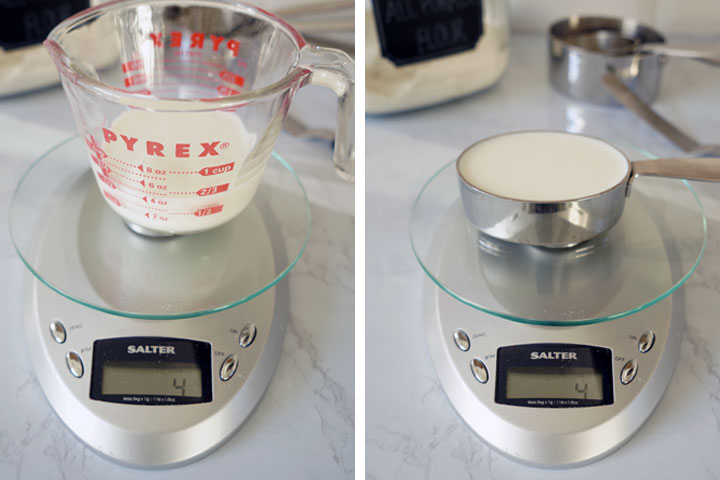
Credit: www.dessarts.com
Differences Between Dry and Liquid Measuring Cups
There are key differences between dry and liquid measuring cups.
Shape And Design
Dry measuring cups are designed to be filled to the top. You then level them off with a knife. Liquid measuring cups have extra space above the top measurement line. This space prevents spills.
Materials
Dry measuring cups are often opaque. You can’t see through them. Liquid measuring cups are usually clear. You can see the liquid level from the side.
Measurement Marks
Dry measuring cups don’t have measurement marks on the side. Liquid measuring cups have marks for different measurements.
Can You Use a Dry Measuring Cup for Liquids?
Technically, you can use a dry measuring cup for liquids. But it’s not recommended. Let’s see why.
Spills And Inaccuracy
Using a dry measuring cup for liquids can cause spills. Dry measuring cups are filled to the top. Liquids can easily spill over. This leads to inaccurate measurements.
Hard To Pour
Dry measuring cups don’t have a spout. Pouring liquids from them is hard. You might spill the liquid. This can also lead to inaccurate measurements.
Tips for Measuring Ingredients
Here are some tips for measuring ingredients correctly.
Use The Right Tool
Always use the right measuring cup. Use dry measuring cups for dry ingredients. Use liquid measuring cups for liquids.
Level Off Dry Ingredients
Fill dry measuring cups to the top. Then level off with a knife. This ensures an accurate measurement.
Check Liquid Measurements At Eye Level
Pour liquids into a liquid measuring cup. Check the measurement at eye level. This helps ensure accuracy.
Frequently Asked Questions
Can You Measure Liquids With A Dry Measuring Cup?
Yes, but it’s not recommended. Dry cups are for solids. Use liquid measuring cups for accuracy.
Why Should You Use A Liquid Measuring Cup?
Liquid cups have spouts for easy pouring. They also have clear markings for accurate measurement.
What Happens If You Use The Wrong Measuring Cup?
You might get inaccurate measurements. This can affect your recipe’s outcome. Precision is key in cooking and baking.
Do Dry And Liquid Measuring Cups Measure The Same?
No. Dry cups measure by volume, while liquid cups account for the liquid’s surface tension.
Conclusion
Using the right measuring cup is important. It ensures accurate measurements. This helps your recipes turn out great. Use dry measuring cups for dry ingredients. Use liquid measuring cups for liquids. Happy cooking!

Leave a Reply