
Welcome to our blog
We’re thrilled to have you here and can’t wait to share our journey with you.
This space is dedicated to exploring a myriad of topics, offering insights, and sparking conversations. Whether you’re here for inspiration, information, or just a good read, we’re committed to providing you with content that resonates.
-
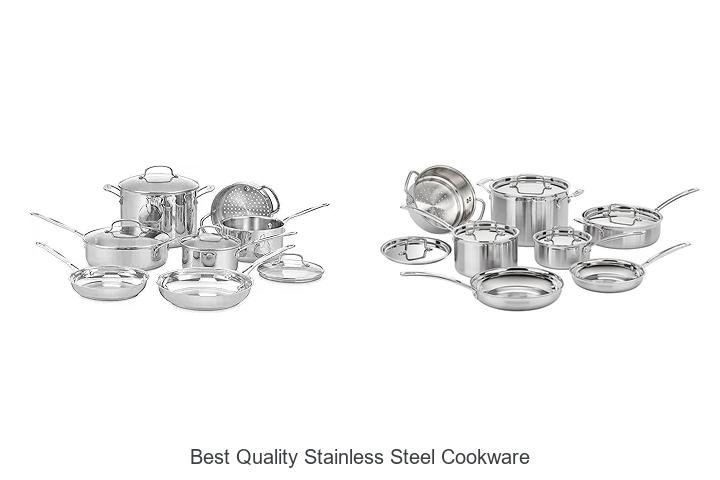
Discover The Best Quality Stainless Steel Cookware Now!
When selecting cookware, factors such as alloy composition, thermal conductivity, and corrosion resistance play a pivotal role in performance and durability. The intricate balance of chromium and nickel in stainless steel determines not only its strength but also its resilience against rust and staining under high-temperature cooking conditions. These technical
-
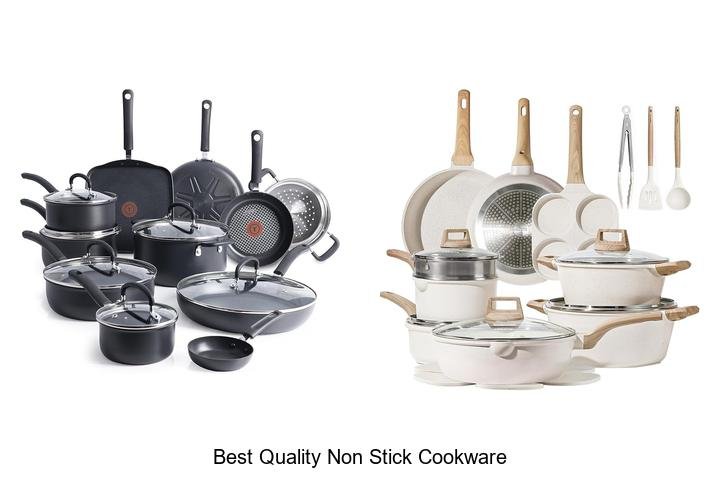
Discover The Best Quality Non Stick Cookware Today!
In the realm of culinary technology, the significance of cookware materials and surface coatings cannot be overstated. Non stick cookware, engineered with advanced polymer coatings such as polytetrafluoroethylene (PTFE) or ceramic-based layers, revolutionizes food preparation by minimizing adherence and promoting even heat distribution. These elements collectively influence cooking performance, longevity,
-
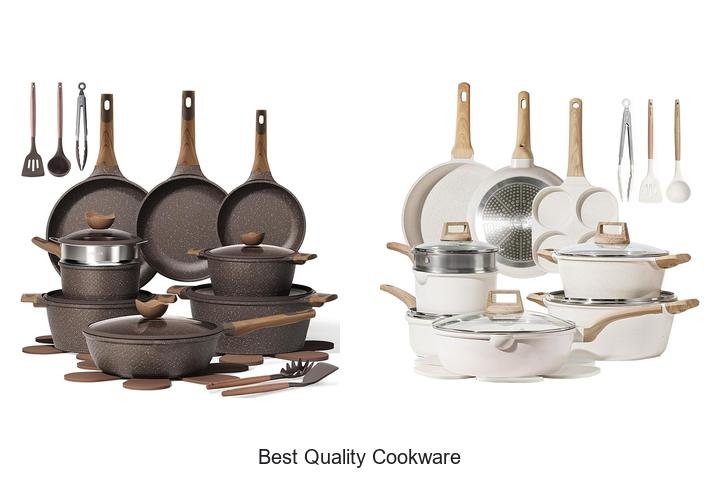
Discover The Best Quality Cookware That Chefs Swear By!
In the realm of culinary excellence, the significance of thermally conductive materials, non-reactive surfaces, and ergonomic design cannot be overstated. Selecting the best quality cookware involves a nuanced understanding of alloy composition, heat distribution efficiency, and durability under high-temperature conditions. The integration of advanced manufacturing techniques and premium materials ensures
-
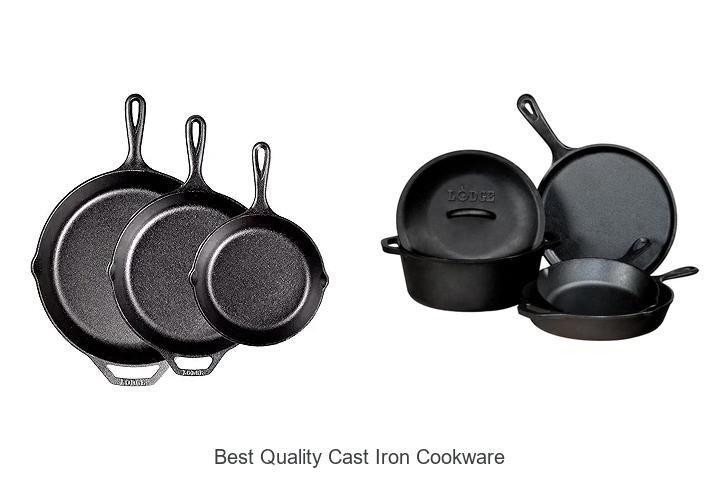
Discover The Best Quality Cast Iron Cookware Today!
Cast iron cookware, renowned for its superior heat retention and even heat distribution, remains a cornerstone in both professional and home kitchens. The durability of seasoned cast iron enhances its non-stick properties over time, making it an indispensable tool for searing, frying, and slow cooking. Selecting the best quality cast
-

Discover The Best Professional Cookware For Perfect Meals
In the realm of culinary arts, precision-engineered materials and superior thermal conductivity play pivotal roles in achieving exceptional cooking results. High-grade stainless steel, anodized aluminum, and carbon steel are among the preferred substrates for chefs aiming to optimize heat distribution and retention. Selecting the best professional cookware involves more than
-
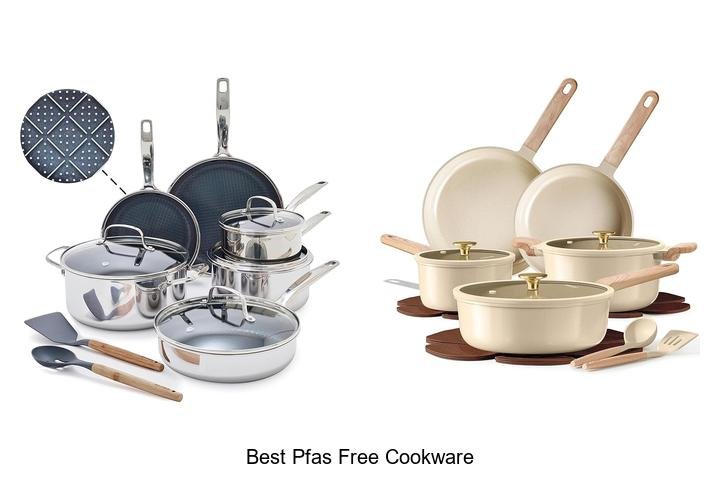
Discover The Best PFAS Free Cookware For Healthy Cooking!
Perfluoroalkyl and polyfluoroalkyl substances (PFAS) have gained significant attention due to their persistence in the environment and potential health risks linked to long-term exposure. These synthetic chemicals, commonly found in non-stick cookware coatings, can degrade over time, releasing compounds that may contaminate food. Selecting the best PFAS free cookware involves
-
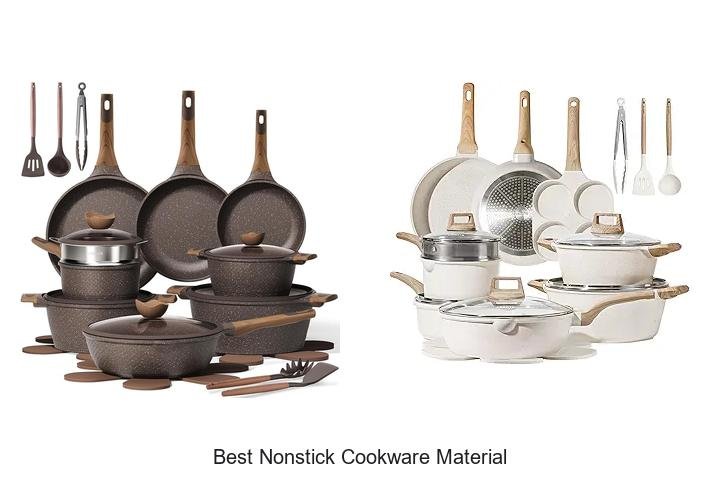
Discover The Best Nonstick Cookware Material Now!
When selecting cookware, understanding the properties of various coatings and substrates is essential to achieving optimal cooking performance and durability. The best nonstick cookware material often involves a delicate balance between heat conductivity, chemical inertness, and surface resilience. Polytetrafluoroethylene (PTFE) and ceramic coatings represent two primary nonstick technologies that interact
-
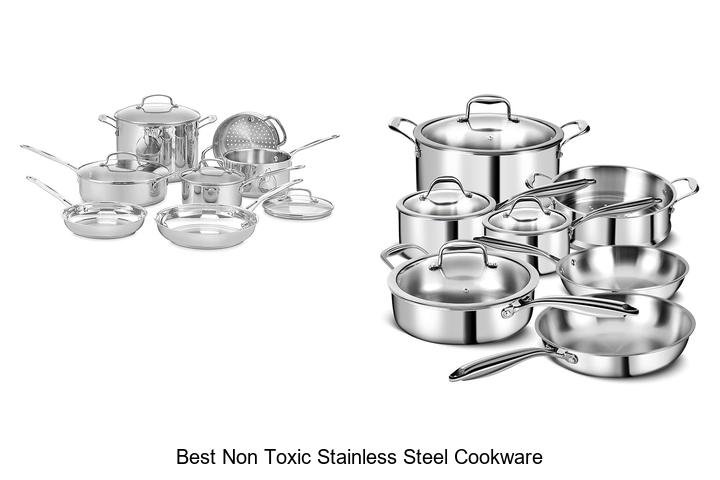
Best Non Toxic Stainless Steel Cookware You Must Try Now
In the realm of modern culinary technology, the composition and safety of cookware materials have become paramount considerations. Stainless steel cookware, renowned for its corrosion resistance, durability, and non-reactive surface, often stands out as a preferred choice among both professional chefs and home cooks. However, the advent of various manufacturing
-
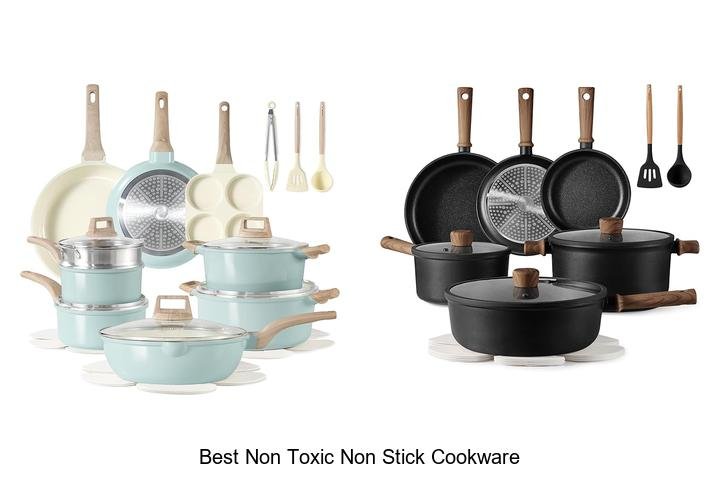
Best Non Toxic Non Stick Cookware You Can’t Live Without
In the realm of culinary technology, the advancement of non-toxic coatings and inert material compositions has revolutionized cookware performance and safety. As awareness grows regarding the health implications of traditional non-stick surfaces that release harmful chemicals at high temperatures, the demand for the best non toxic non stick cookware has
-
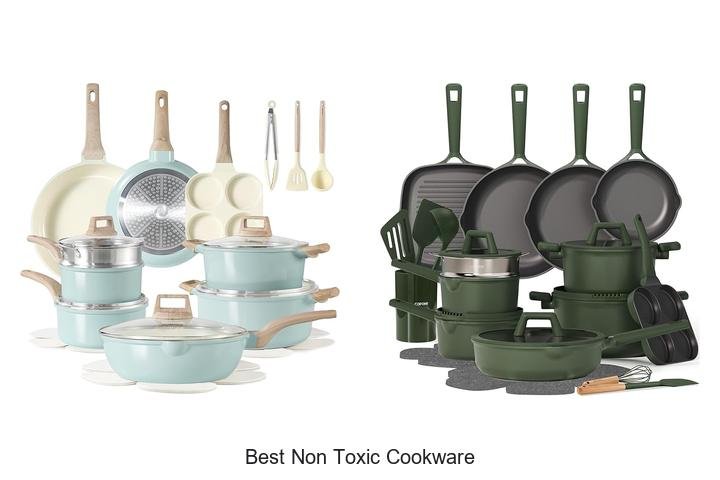
Discover The Best Non Toxic Cookware For Safe Cooking Today!
In the realm of culinary technology, the choice of cookware materials directly influences both the chemical interactions during cooking and the long-term health implications for users. Factors such as the absence of harmful compounds like PTFE, PFOA, lead, and cadmium play a crucial role in categorizing the best non toxic