
Welcome to our blog
We’re thrilled to have you here and can’t wait to share our journey with you.
This space is dedicated to exploring a myriad of topics, offering insights, and sparking conversations. Whether you’re here for inspiration, information, or just a good read, we’re committed to providing you with content that resonates.
-
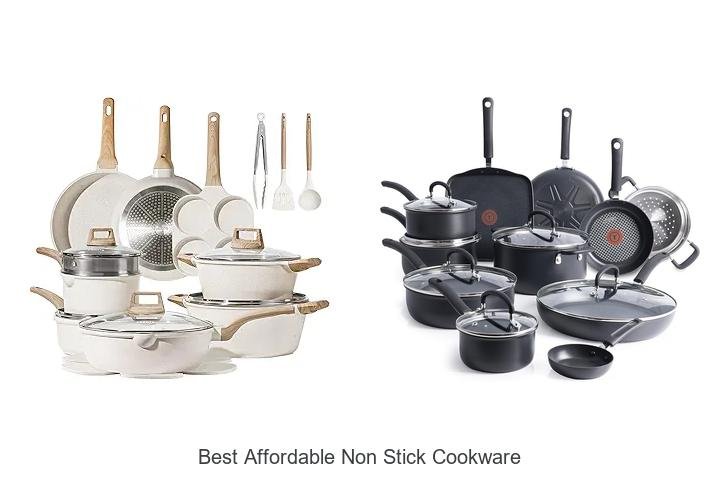
Best Affordable Non Stick Cookware That Will Change Cooking!
When considering cookware materials, factors such as thermal conductivity, surface coating durability, and ease of maintenance play crucial roles in selecting the ideal kitchen companion. Non stick cookware, characterized by its polytetrafluoroethylene (PTFE) or ceramic-based coatings, offers a seamless cooking experience by minimizing food adhesion and reducing oil usage. However,
-

Discover The Best Affordable Ceramic Cookware Today!
In the realm of kitchen essentials, the thermal conductivity and non-reactive surface properties of ceramic cookware have revolutionized home cooking. Ceramic cookware, known for its superior heat distribution and chemical-free coating, offers a distinct advantage over traditional non-stick pans that often contain potentially harmful PTFE and PFOA. When considering durability,
-
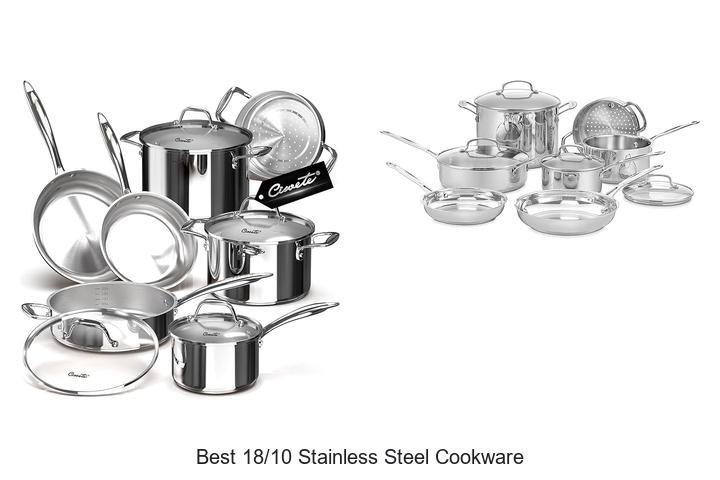
Discover The Best 18/10 Stainless Steel Cookware Now!
When selecting premium cookware, the composition of the material plays a crucial role in performance, durability, and food safety. Among various alloys, 18/10 stainless steel stands out due to its precise blend of 18% chromium and 10% nickel, offering exceptional corrosion resistance and a lustrous finish. This specific ratio not
-
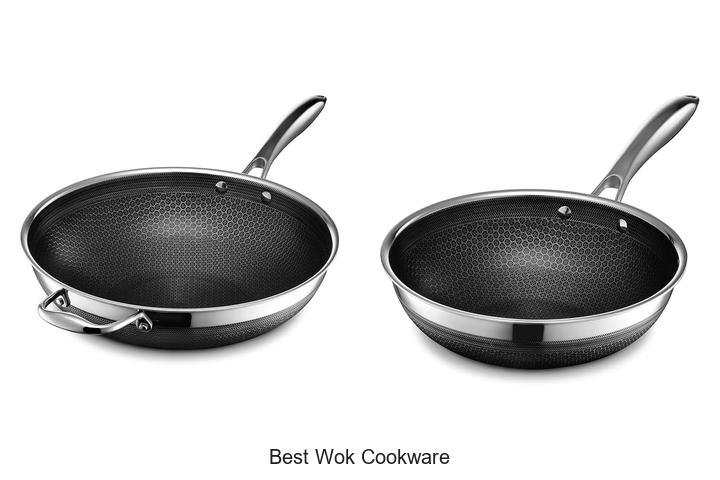
Discover The Best Wok Cookware For Ultimate Cooking Power!
Wok cookware, renowned for its unique concave shape and superior heat conductivity, plays a pivotal role in achieving authentic stir-fry dishes with optimal searing and even heat distribution. The high thermal responsiveness of quality wok materials—such as carbon steel, cast iron, or non-stick aluminum—directly impacts cooking efficiency and flavor development.
-

Discover The Best Titanium Cookware For Perfect Cooking!
Titanium cookware has gained significant attention in the culinary world due to its remarkable properties such as high tensile strength, corrosion resistance, and exceptional heat conductivity. These attributes contribute to durable kitchenware that can withstand rigorous cooking conditions while maintaining optimal thermal performance. As chefs and home cooks alike seek
-
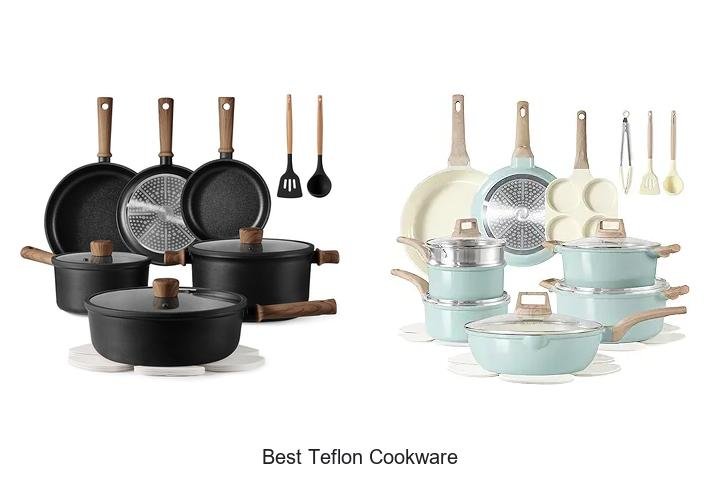
Discover The Best Teflon Cookware For Perfect Cooking!
When examining non-stick cookware materials, polytetrafluoroethylene (PTFE) coatings stand out for their exceptional low friction properties and heat resistance. Among these, teflon cookware remains a preferred choice for both professional chefs and home cooks due to its ability to prevent food adhesion and facilitate easier cleaning. The durability, thermal conductivity,
-
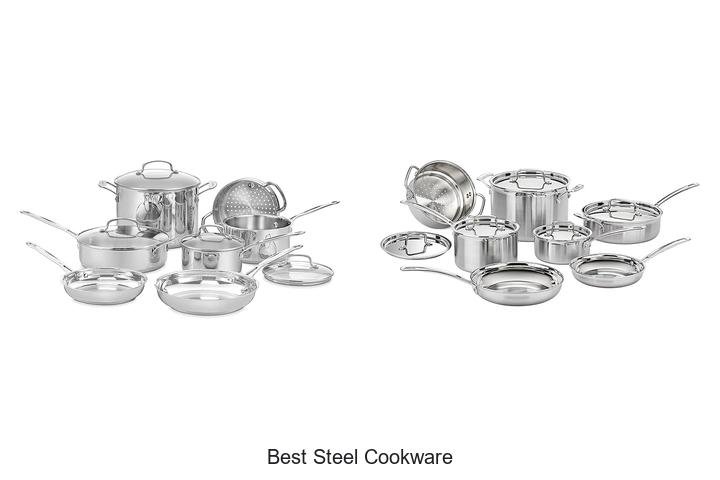
Discover The Best Steel Cookware For Ultimate Cooking Power!
When it comes to cookware performance, factors such as thermal conductivity, heat retention, and corrosion resistance play pivotal roles in determining the ideal kitchen tools. Among various materials, steel cookware stands out due to its superior durability, non-reactive surface, and even heat distribution. From tri-ply construction featuring a core of
-
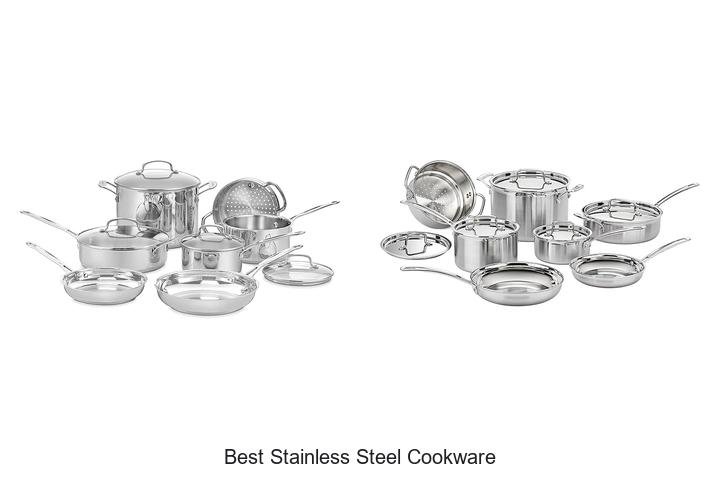
Discover The Best Stainless Steel Cookware For Every Chef!
In the realm of kitchen essentials, factors such as corrosion resistance, thermal conductivity, and alloy composition play a pivotal role in determining cookware performance and durability. Among various options, stainless steel cookware stands out for its superior blend of strength, non-reactivity, and ease of maintenance. Whether it’s the impact-bonded base
-
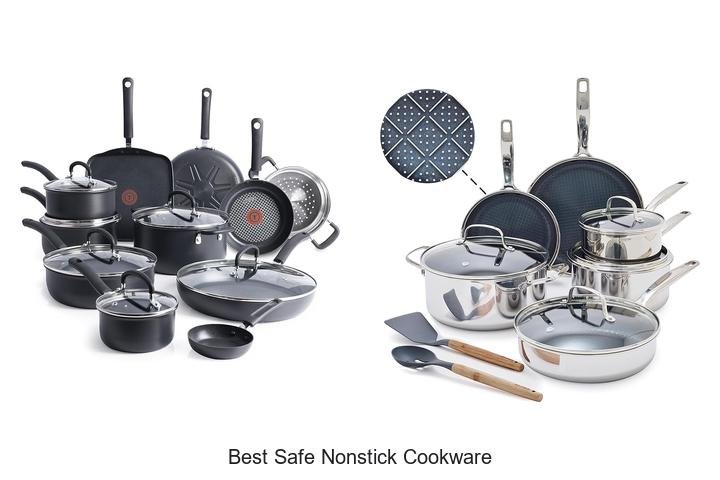
Discover The Best Safe Nonstick Cookware You Need Now!
In the realm of modern culinary technology, the performance characteristics of cookware often hinge on factors such as thermal conductivity, surface integrity, and chemical inertness. When selecting the best safe nonstick cookware, understanding the interplay between advanced coating materials and metal substrates becomes crucial for both cooking efficiency and health
-
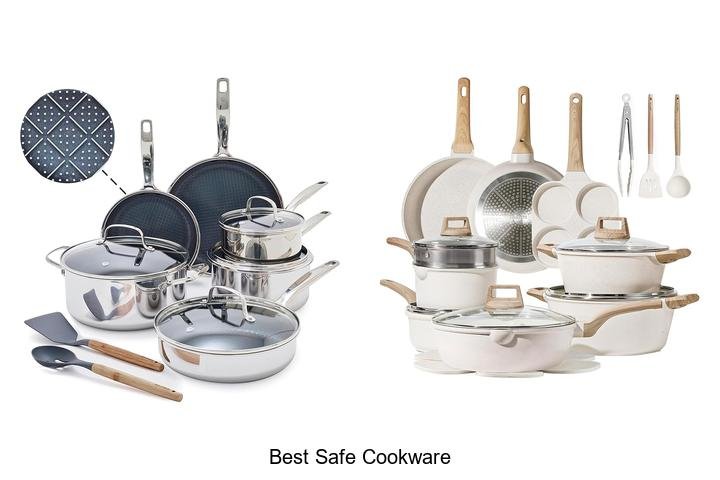
Discover The Best Safe Cookware For Your Health Today!
When selecting kitchenware, factors such as material composition, thermal conductivity, and chemical reactivity play critical roles in ensuring both cooking efficiency and health safety. Understanding the interaction between cookware surfaces and various cooking agents is essential to minimize exposure to toxins and prevent the leaching of harmful substances. The quest