
In the realm of thermal management, the quest for optimal heat dissipation has driven engineers and researchers to explore various materials that can efficiently conduct heat away from electronic components. Thermal conductivity, specific heat capacity, and thermal resistance are critical factors that influence a material’s performance as a heat sink. As technology evolves, the demand for more powerful and compact electronic devices heightens, necessitating the identification of the best heat sink material to ensure device longevity and efficiency.
As technology evolves, the demand for more powerful and compact electronic devices heightens, necessitating the identification of the best heat sink material to ensure device longevity and efficiency. Factors like material cost, weight, and manufacturability also weigh heavily on the decision-making process. Delve into the intricate balance between these considerations as we unravel which materials stand out in the quest to harness and manage heat effectively in cutting-edge applications.
Cooling Marvels: Unveiling the Top Contenders in Efficient Thermal Management
| Image | Product | Price |
|---|---|---|
Best Choice 1  | 30 PCS Raspberry Pi 4 Heatsink Kit with Thermal Conductive | Check Price On Amazon |
Best Choice 2  | 4Pcs 14mm Aluminum Heatsink with Thermal Conductive Adhesive Tape 100 | Check Price On Amazon |
Best Choice 3  | Outus 30 Pieces 2.6 x 0.8 x0.1 Inch Silicone Thermal | Check Price On Amazon |
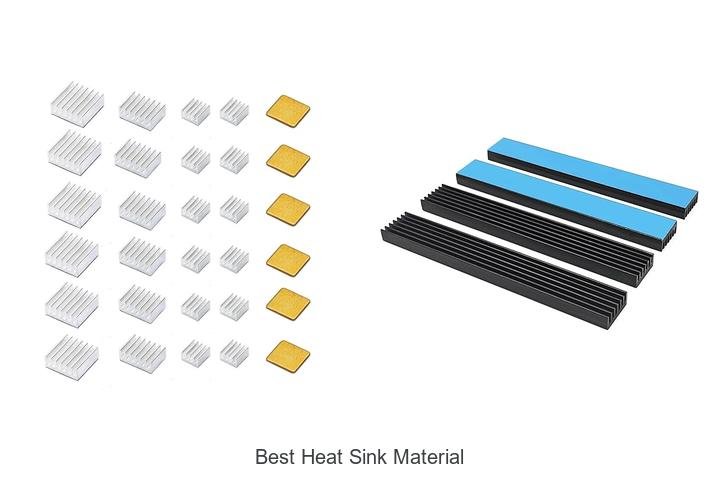
1. 30 PCS Raspberry Pi 4 Heatsink Kit with Thermal Conductive
The 30 PCS Raspberry Pi 4 Heatsink Kit is your go-to solution for efficient thermal management. Tailored to fit various Raspberry Pi models, this versatile kit includes both aluminum and copper heatsinks, ensuring optimal heat dissipation for your device. Designed for durability, it’s the perfect companion for all tech enthusiasts.
Equipped with thermal conductive adhesive tape, this heatsink kit excels in regulating temperatures even under hefty processing loads. The 24 aluminum and 6 copper heatsinks enhance device longevity, fitting securely on Raspberry Pi models A, B, B+, 2, 3, 4, and 5, as well as other devices like Beaglebone.
Pros
- Compatible with multiple Raspberry Pi models and Beaglebone.
- Offers a mix of lightweight aluminum and durable copper heatsinks.
- Comes with thermal conductive adhesive tape for easy application.
Cons
- Adhesive tape may require replacement for maximum efficiency.
Overall, the 30 PCS Raspberry Pi 4 Heatsink Kit offers excellent value, especially at such an economical price. While the adhesive tape could be improved, switching to a trusted thermal paste enhances its performance. Compared to similar products, this kit stands out for its comprehensive compatibility and materials.
2. 4Pcs 14mm Aluminum Heatsink with Thermal Conductive Adhesive Tape 100
Achieve optimal heat dissipation for your electronics with the 4Pcs 14mm Aluminum Heatsink. Designed to enhance cooling efficiency, this product is perfect for those seeking the best heat sink material for their devices.
Crafted from Aluminum 6063, this heatsink features an anodized aluminum finish providing excellent thermal conductivity. Pre-applied blue thermal conductive adhesive tape simplifies installation, requiring no additional cutting. Measuring 100mm x 14mm x 6mm, these heatsinks are versatile for various applications including IC, LED, and RAM cooling.
Pros
- High thermal conductivity from quality Aluminum 6063
- Easy installation with pre-applied adhesive tape
- Suitable for a variety of electronic components
Cons
- Limited to smaller scale applications due to compact size
At a price of just $6, the 4Pcs 14mm Aluminum Heatsink offers remarkable value for those seeking reliable cooling solutions for their electronic projects. Compared to other materials, its aluminum build ensures superior performance, making it a worthwhile investment for maintaining optimal device functionality.
3. Outus 30 Pieces 2.6 x 0.8 x0.1 Inch Silicone Thermal
Discover the Outus Silicone Thermal Pads, designed to be the best heat sink material for efficiently managing your device’s heat transfer. With superior thermal conductivity and a variety of sizes, these thermal pads cater to both amateurs and professionals seeking reliable and easy-to-install cooling solutions for diverse electronic applications.
These thermal pads, made from premium silica gel, offer 0 W/mK thermal conductivity, effectively cooling electronic components within seconds.
6 x 8 inches and 30 pieces per pack, they fill surface gaps optimally, serving as a versatile alternative to traditional heatsink compound grease paste.
Pros
- Excellent thermal conductivity enhances heat transfer efficiency.
- Electrical insulation ensures safe usage across a wide temperature range (-40°C to 200°C).
- Comes in three thickness options: 0.5mm, 1mm, and 2mm for customizable installation.
Cons
- Thinner pads (0.5mm and 1mm) may not suit all applications, potentially requiring the thicker 2mm option for optimal performance.
Overall, the Outus Silicone Thermal Pads offer outstanding value by seamlessly combining safety, efficiency, and versatility. Perfect for replacing outdated thermal compounds, they ensure reliable heat management for electronics from computers to automotive systems, standing out amongst similar products for their customizable options and effectiveness.
4. Awxlumv 2Pcs Black Aluminum Heatsink 100mmx25mmx10mm/ 4x1x0.4 Inch Heat Sink

Experience superior cooling efficiency with Awxlumv’s Black Aluminum Heatsinks, designed to extend the life of your electronic components. With the best heat sink material, these heatsinks expertly manage heat dissipation, making them an ideal choice for preventing overheating and potential device failure.
Engineered with high-quality black aluminum, these heatsinks feature dimensions of 100mmx25mmx10mm, maximizing contact with airflow to enhance cooling performance. Equipped with pre-applied thermal conductive tape, they ensure a secure attachment to your devices, effectively safeguarding components from excessive heat.
Pros
- High-quality aluminum construction for efficient heat dissipation.
- Versatile use across various electronic applications, including LEDs and power transistors.
- Pre-applied thermal tape ensures secure and easy installation.
Cons
- Limited size options may not fit all device specifications.
Awxlumv’s heatsinks offer a robust solution for thermal management, standing out with their reliable adherence and aluminum build. While larger or custom sizes may be necessary for some projects, their effectiveness and affordable price point make them a worthy consideration for electronic cooling needs.
5. M.2 Heatsink Cooler 2280 SSD Double-Sided Heat Sink with Thermal

Cooling your M.2 SSDs to maintain peak performance is crucial, particularly in high-power environments like gaming consoles or demanding PCs.
The M.2 Heatsink Cooler 2280 is expertly designed for desktop PCs and PS5 with cutting-edge heat dissipation technology to keep your SSDs running smooth and fast.
Optimized for devices such as the Samsung 860 EVO and PS5, this aluminum alloy heatsink effectively reduces SSD temperatures by up to 20°C. Its double-sided design with thermal silicone pads ensures secure mounting and excellent conductivity, preventing overheating and thermal throttling during intensive sessions.
Pros
- Effective dual-sided heat dissipation design
- Compatible with popular SSDs and gaming consoles
- Easy installation with clip mounting system
Cons
- Limited to M.2 NVME SSD forms only
At an affordable price, the M.2 Heatsink Cooler 2280 provides outstanding value by enhancing the performance and longevity of your SSDs. Compare this with other products, and it stands out for its dual-sided design and compatibility.
Compare this with other products, and it stands out for its dual-sided design and compatibility. Ideal for gamers and PC enthusiasts seeking a reliable cooling solution.
6. Easycargo 2pcs 40mm Heatsink Kit 100mmx40mmx20mm + 3M8810 Thermal Conductive

Discover unparalleled cooling performance with the Easycargo 40mm Heatsink Kit. Designed with the best heat sink material, this kit ensures your devices operate efficiently without overheating issues. Perfect for electronics enthusiasts and professionals, achieve reliable passive cooling for a variety of applications.
This Easycargo 2-piece heatsink kit features black anodized aluminum construction optimized for heat dissipation. Pre-applied with high-quality 3M8810 thermal conductive adhesive tape, it provides seamless installation. It fits perfectly on devices like water cooling modules, stepper motors, NEMA 17, and thermoelectric Peltier coolers.
Pros
- Excellent heat dissipation with aluminum construction.
- Easy installation with pre-applied thermal adhesive tape.
- Cost-effective with two heatsinks for the price of one.
Cons
- Edges may feel slightly rough when touched vertically.
At just $10, the Easycargo 40mm Heatsink Kit offers exceptional value with its robust performance and easy installation. It’s an ideal solution for those seeking affordable and effective passive cooling for their electronics. Compared to similar products, it stands out with its high-quality materials and pre-applied adhesive tape.
Compared to similar products, it stands out with its high-quality materials and pre-applied adhesive tape.
7. Aluminum Large Heatsink, 11.8″X5.51″X0.79″ Heat Sink Radiator Circuit Board Cooling

Enhance your device’s performance with the Aluminum Large Heatsink, a top choice for preventing overheating in high-power electronics. Its expansive surface area and use of the best heat sink material, aluminum, ensure optimal heat dissipation, protecting your hardware from thermal stress.
Specifically designed for high-power LED applications, this heat sink is made from high-quality aluminum known for its exceptional thermal conductivity. The 81” x
51” x 79” dimensions are ideal for a variety of components, providing reliable thermal management and reducing failure risk associated with heat.
Pros
- Large surface area increases heat dissipation efficiency.
- Universal compatibility for diverse applications.
- Durable aluminum construction with excellent thermal properties.
Cons
- Size may not fit all devices; verify dimensions before purchase.
At just $19, this aluminum heat sink offers exceptional value for maintaining your electronic devices’ optimal performance. When compared to other materials, aluminum stands out for its balance of weight and heat conductivity, making it the best heat sink material for cost-effectiveness and efficiency.
8. 4Pcs Heatsink 80 x 40 x 11mm Black Aluminum Heat
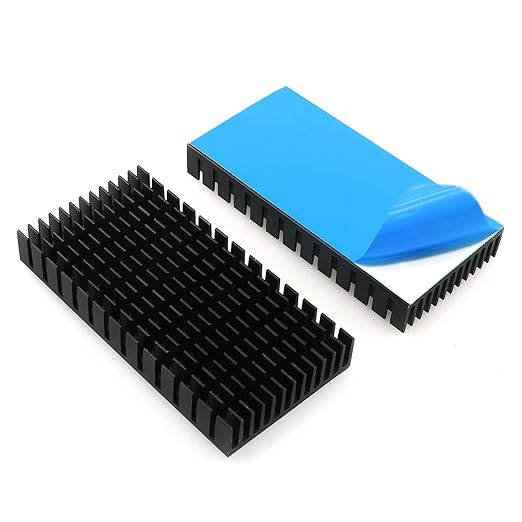
Enhance your electronics’ cooling efficiency with the Gokano 4Pcs Heatsink Kit, featuring black aluminum construction for optimal heat dissipation. Ideal for 3D printers, LEDs, FPV transmitters, and more, this heat sink kit combines utility with a sleek, professional look.
Crafted from high-quality aluminum, these heatsinks are designed to maximize surface area contact, providing exceptional passive cooling. With pre-coated thermal tape backing, installation is quick and secure, ensuring your components remain at an optimal temperature for peak performance.
Pros
- Effective heat dissipation boosts component longevity.
- Comes with pre-coated thermal tape for easy installation.
- Sleek black finish adds a professional touch.
Cons
- Limited to compatibility with devices of specific dimensions.
For those seeking an affordable, efficient cooling solution, the Gokano heatsink kit offers unmatched value at just $ While similar products might offer a range of sizes, this kit’s targeted dimensions excel in specified applications, making it a smart investment.
9. 4Pcs Aluminum Heat Sink – Large Heatsink Chip Heat Diffusion

Discover unparalleled heat management with the 4Pcs Aluminum Heat Sink, engineered for superior heat diffusion and reliability. Perfect for preventing overheating in critical electronic components, this high-quality solution is a must-have for those seeking the best heat sink material to ensure their devices run smoothly and efficiently.
Crafted from high-quality aluminum, this heat sink provides excellent thermal conductivity. Its slotted fine teeth enhance heat dissipation, reducing the risk of hardware failure from overheating. Easy to install and remove, its lightweight and compact design suits a wide range of applications, including CPUs and power modules.
Easy to install and remove, its lightweight and compact design suits a wide range of applications, including CPUs and power modules.
Pros
- High-quality aluminum construction for optimal heat conduction
- Enhanced heat dissipation due to slotted fine teeth design
- Lightweight and compact for easy installation
Cons
- Availability limited to 4-piece sets only
Overall, the 4Pcs Aluminum Heat Sink stands out as a reliable and efficient heat management solution. Its superior design and construction offer a significant advantage over other materials on the market. Invest in this essential component to enhance the longevity and reliability of your electronic devices.
10. Awxlumv Large LED Aluminum Heatsink 200 x 220 x 18mm

Experience superior cooling with the Awxlumv Large LED Aluminum Heatsink, expertly crafted for high-performance LED applications. It’s designed to enhance heat dissipation, ensuring your electronics run smoothly and efficiently. Made from high-quality anodized aluminum, this heatsink excels as one of the best heat sink materials available.
Analyze optimal heat management with the Awxlumv Large LED Aluminum Heatsink. Its large dimensions of 200 x 220 x 18mm and substantial weight of 988g make it ideal for high-power LEDs, and the meticulously designed 30 fins maximize surface area for superior thermal exchange.
Pros
- Exceptional thermal conductivity for reliable performance.
- Designed to prevent hardware failure due to overheating.
- Perfect for LED lights, networking switches, and laptops.
Cons
- Limited to use with specific high-power devices.
In summary, the Awxlumv Large LED Aluminum Heatsink presents a dependable solution for various electronics cooling needs. Compared to similar products, its premium aluminum construction and innovative fin design set a high standard for effective heat dissipation, making it an excellent choice for any tech enthusiast seeking peak performance.
Unlocking Cool Efficiency: The Ultimate Guide to Choosing the Best Heat Sink Material
Understanding heat sink materials
The selection of the right material holds significant importance when considering heat sinks, which play a vital role in cooling electronic devices. Different materials are used in their construction, each influencing the thermal efficiency of the heat sink.
Aluminum is lightweight and cost-effective, making it a popular choice in various applications. It offers decent thermal conductivity and is suitable for space-constrained devices.
On the other hand, copper provides superior thermal conductivity, efficiently dissipating heat despite being heavier and more expensive than aluminum. The choice between these materials impacts the overall thermal management and effectiveness of a heat sink.
When choosing a heat sink material, it is essential to balance the thermal requirements of the device with factors like weight, cost, and physical constraints, ensuring that the selected material meets the specific needs of the intended application.
Applicationspecific considerations
Finding the right solution for thermal management is crucial, as mismatched choices can lead to inefficient cooling and potential device malfunction. The key lies in matching the material to your specific cooling needs, considering both performance and cost.
Metals like aluminum are often favored for their excellent thermal conductivity and cost-effectiveness, while copper stands out for its superior heat dissipation, albeit at a higher price. If environmental impact and sustainability are priorities, explore materials like recycled aluminum or other eco-friendly alternatives that reduce the environmental footprint. Balancing the cost versus performance tradeoffs is essential; opt for a material that provides adequate heat dissipation without exceeding your budget.
When making a decision, consider the environment your system will operate in, as this can affect the material’s durability and longevity. Selecting the appropriate material not only ensures optimal cooling but also supports long-term operation and sustainability goals.
Factors to consider when choosing heat sink material
When selecting the ideal material, it’s important to focus on a few critical factors to ensure optimal performance. Thermal conductivity is a key element, as it determines how effectively a material can dissipate heat.
Weight is another consideration, particularly in applications where reducing load is crucial, such as in portable electronics. While copper offers excellent thermal management, it is heavier compared to aluminum, which makes it less suitable for weight-sensitive applications.
Durability and corrosion resistance should also be prioritized, especially in environments that are prone to moisture or chemical exposure. Aluminum, for instance, not only offers a lighter weight but also provides a natural resistance to corrosion, ensuring longevity and reliability over time.
Tips for assessing heat sink material quality
When looking for the most effective solution to your cooling needs, understanding how to choose the right product becomes crucial. Evaluating the finish and build quality is an essential step in the process.
High-quality finishes ensure better thermal conductivity, which is a crucial factor in efficient heat dispersion. The build quality often indicates how well the product will perform over time and under various conditions. A polished finish, free of imperfections, typically signifies superior craftsmanship, contributing to better performance.
Another critical aspect is the manufacturer’s reputation. Renowned manufacturers often adhere to stringent quality standards, guaranteeing that their products are both reliable and effective. Thus, purchasing from established brands can offer peace of mind regarding the quality and performance of the product.
Compatibility with your specific components is also a vital consideration. Ensuring that the selected product integrates seamlessly with your existing setup minimizes the risk of complications during installation and improves the overall efficiency of your cooling solution.
Choosing the most suitable product involves balancing these factors to meet your particular needs, ensuring not only optimal performance but also longevity and reliability.
Comparison of popular heat sink materials
When exploring the ideal solution for managing thermal output in electronic devices, you’ll likely come across various popular materials used for heat sinks, namely aluminum and copper. Each has its unique characteristics.
Aluminum is widely used due to its light weight and cost-effectiveness. It provides adequate thermal conductivity, making it a common choice for applications where weight and budget are more critical than maximum thermal efficiency. Copper, on the other hand, excels with its superior thermal conductivity, ensuring efficient heat dissipation even under more demanding circumstances, though it is heavier and generally more expensive.
For those seeking innovative alternatives, graphite and other advanced materials are gaining attention. These materials offer unique advantages like flexibility, and superior thermal performance, which can be critical in high-performance or space-constrained applications. For specific needs, composite materials can provide a balanced solution by combining the strengths of different materials.
However, they often come with the trade-offs of complexity in manufacturing and potential cost implications. Therefore, understanding your use case is crucial — whether it’s for achieving optimal cooling efficiency or meeting weight and cost constraints — to ensure the right material choice for your heat sinking needs.
Frequently Asked Questions
What Are The Most Effective Heat Sink Materials For Optimal Thermal Performance?
Copper and aluminum are the most effective heat sink materials for optimal thermal performance due to their high thermal conductivity, with copper offering superior performance but at a higher cost and weight, while aluminum provides a good balance between cost-efficiency and performance.
How Do Different Materials Like Copper And Aluminum Compare In Heat Dissipation For Heat Sinks?
Copper has superior thermal conductivity compared to aluminum, making it more effective in heat dissipation for heat sinks. However, aluminum is lighter and more cost-effective, often providing a good balance between performance and practicality for many applications.
Are There Any Innovative Or Emerging Materials Being Developed For Use In Advanced Heat Sinks?
Yes, innovative materials like graphene, phase change materials, and metal-organic frameworks are being developed for use in advanced heat sinks due to their exceptional thermal conductivity and efficiency. These materials aim to enhance heat dissipation in electronic and high-performance computing applications.
How Does The Thermal Conductivity Of A Material Influence Its Suitability As A Heat Sink?
The thermal conductivity of a material significantly influences its suitability as a heat sink, as higher thermal conductivity allows for more efficient heat transfer away from electronic components, enabling better temperature regulation. Materials with high thermal conductivity, like aluminum and copper, are preferred for heat sinks because they can dissipate heat quickly and effectively.
What Properties Should Be Considered When Selecting A Heat Sink Material For Electronic Cooling Applications?
When selecting a heat sink material for electronic cooling applications, you should consider its thermal conductivity to efficiently transfer heat away from components and its mechanical properties, such as weight and ease of fabrication, to ensure it meets the design and operational requirements. Additionally, factors like cost, corrosion resistance, and compatibility with the electronic device can influence material choice.
Conclusion
In summary, when choosing the best heat sink material, copper and aluminum stand out as top contenders due to their excellent thermal conductivity and affordability. Copper offers superior heat dissipation but is heavier and costlier, making aluminum a popular choice for cost-effective applications. Graphite and composite materials are also emerging as lightweight, high-performance alternatives for specific technical needs.

Leave a Reply